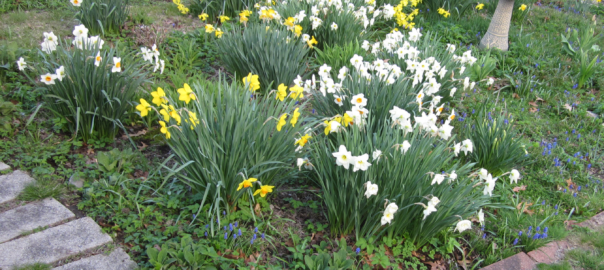
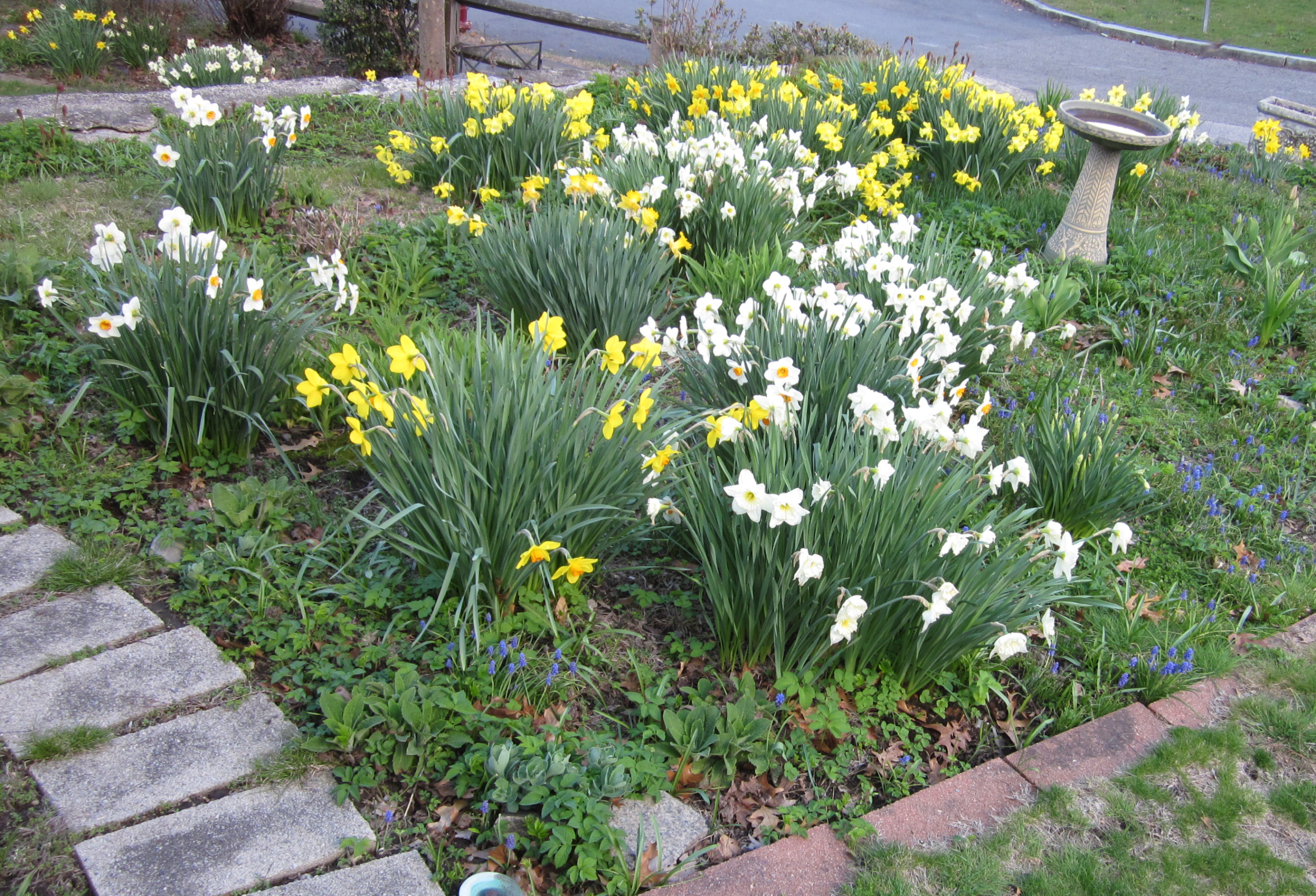
 Daffodils belong to the genus Narcissus and are native to Europe and North Africa.
Their vibrant yellow blooms symbolize rebirth and new beginnings, making them a beloved harbinger of spring.
“A house with daffodils in it is a house lit up — whether or not the sun is shining outside.”
Daffodils have some surprisingly unusual traits — from hidden toxins to unexpected cultural taboos — that most people never hear about.
1. Most daffodils produce almost no pollen — pollinators avoid them
Even though they bloom early in spring, modern hybrid daffodils offer almost nothing to bees or butterflies. Because many cultivated bulbs are hybrids, they produce very little pollen, so pollinators tend to ignore them.
2. All parts of the plant are toxic — especially the bulb
Daffodils contain lycorine, a potent alkaloid that can cause vomiting, diarrhea, and abdominal pain in humans and animals. This toxicity is a natural defense mechanism that protects the plant from grazing animals and rodents.
3. Daffodils were historically used as medicine — including for Alzheimer’s
The plant contains galantamine, a compound used in modern Alzheimer’s treatments. Historically, Greeks, Romans, and medieval Europeans believed daffodil sap had healing powers.
4. Cornwall is the world’s largest producer of daffodils
The county grows over 30 million tons of bulbs each year and exports them globally — a scale most people never imagine for a spring flower.
5. It’s illegal to pick daffodils in many public places
Uprooting daffodils from public land or private property without permission is against the law in many regions. Picking wild daffodils isn’t illegal, but conservation groups strongly discourage it.
6. Giving a single daffodil is considered bad luck
Folklore says gifting just one daffodil brings misfortune — but giving a bunch symbolizes happiness and good fortune.
7. “Blind” daffodils grow leaves but never bloom
A daffodil can become “blind” — producing healthy leaves but no flowers — if planted too shallowly or at the wrong time. The plant may correct itself the following year.
8. Daffodils don’t need fertilizer — winter microbes feed them
Because soil microorganisms remain active in winter and enrich the soil, daffodils often thrive without added fertilizer. This surprises many gardeners.
9. The name “Narcissus” may come from the Greek word for numbness
The term may derive from narke — meaning numbness or stupor — referencing the plant’s narcotic properties.
10. Hybrids come in thousands of varieties — not just yellow
There are over 50 species and thousands of cultivars, including pink, orange, white, double‑flowered, frilled, and two‑tone forms.